Product
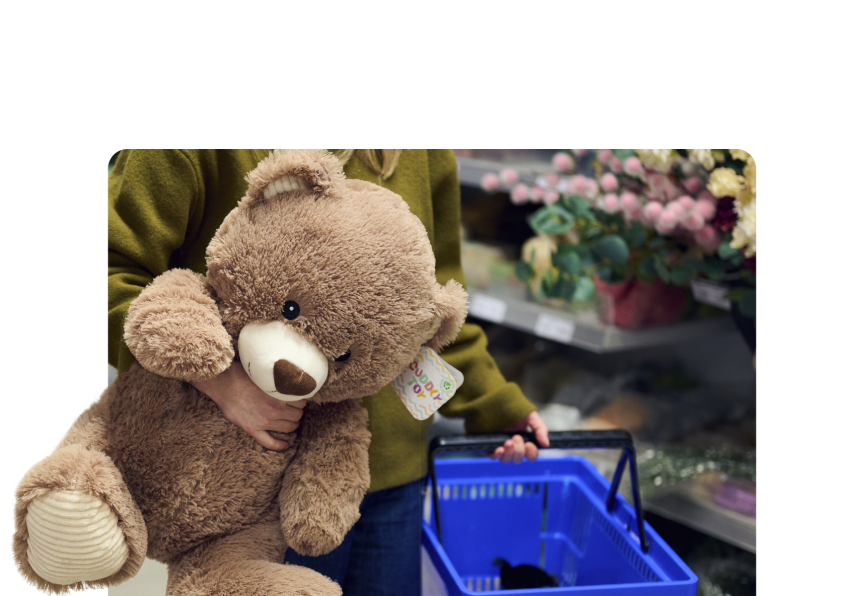
Teddy bears
Category
Toys & entertainment
Outcomes
Safe products for young children
Fewer damaged products and product recalls
Action conducts regular checks to make sure all products meet rigorous safety and quality standards. There are some products where closer scrutiny and controls are necessary. These include toys for young children under the age of three.
Our teddy bears, for example, must be strong enough to withstand play from the most robust toddler. They must also be free of sharp edges, contain no hazardous substances, and pose no choking risks, such as loose fur or eyes.
At the factory, random samples are selected by an independent third party. These are sent to an internationally recognised laboratory to ensure compliance with physical and chemical safety standards. Then, once production of a new batch has begun, but before 30% of the bears have been made, a second sample is taken and sent again for laboratory testing.
Samples are also taken separately twice a day; these undergo physical strength testing by the factory under the supervision of independent inspectors. Seams are tested, for example, and eyes and noses are pulled, to make sure they will not fall apart or come loose in the hands of a toddler. This additional testing ensures that we meet safety standards but, more importantly, that we continue to protect children’s safety and
well-being.
Testing teddy bears
Product
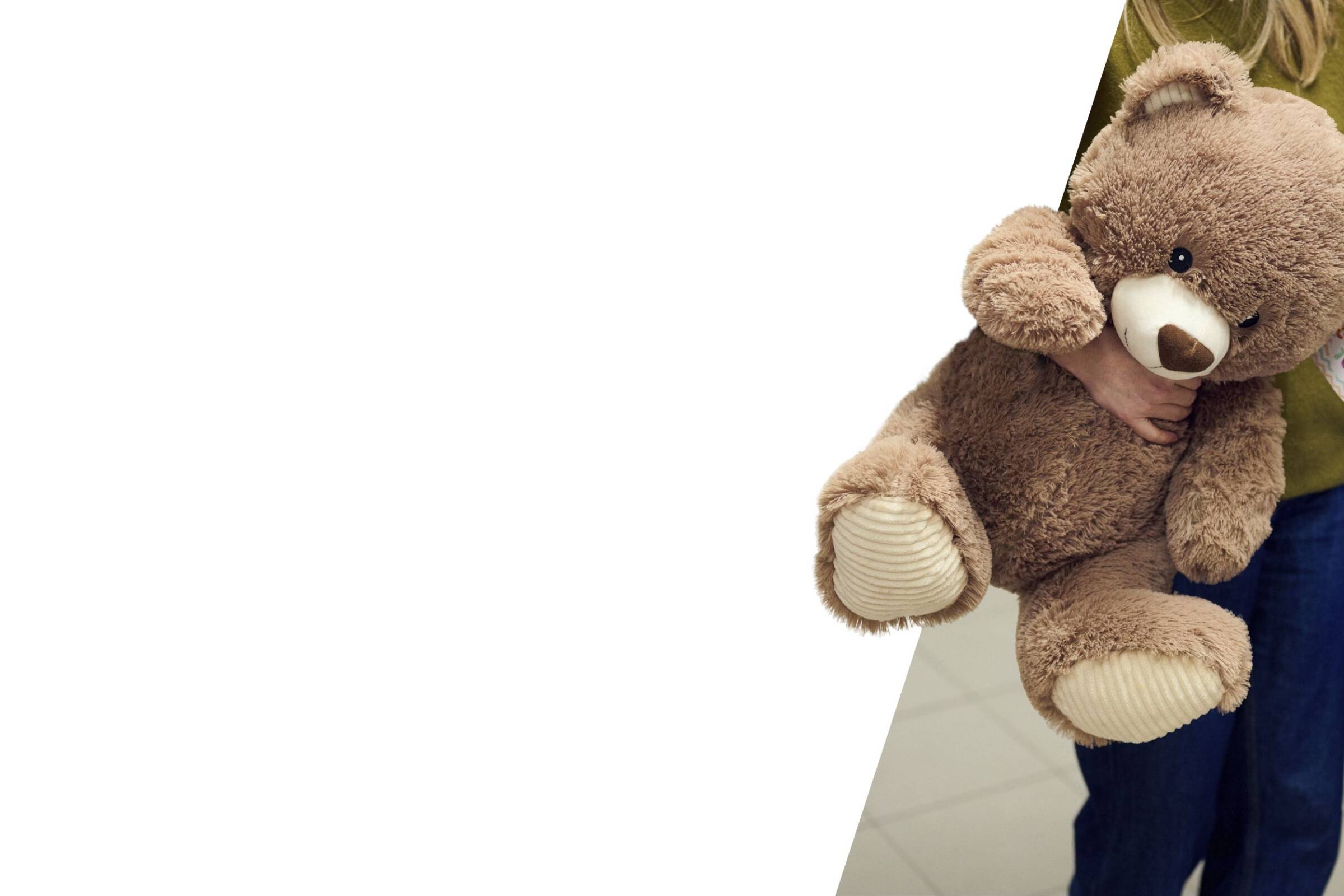
Teddy bears
Category
Toys & entertainment
Outcomes
Safe products for young children
Fewer damaged products and product recalls
Action conducts regular checks to make sure all products meet rigorous safety and quality standards. There are some products where closer scrutiny and controls are necessary. These include toys for young children under the age of three.
Our teddy bears, for example, must be strong enough to withstand play from the most robust toddler. They must also be free of sharp edges, contain no hazardous substances, and pose no choking risks, such as loose fur or eyes.
At the factory, random samples are selected by an independent third party. These are sent to an internationally recognised laboratory to ensure compliance with physical and chemical safety standards. Then, once production of a new batch has begun, but before 30% of the bears have been made, a second sample is taken and sent again for laboratory testing.
Samples are also taken separately twice a day; these undergo physical strength testing by the factory under the supervision of independent inspectors. Seams are tested, for example, and eyes and noses are pulled, to make sure they will not fall apart or come loose in the hands of a toddler. This additional testing ensures that we meet safety standards but, more importantly, that we continue to protect children’s safety and
well-being.
Testing teddy bears